
- Trends
A new generation of designers is reimagining bridal fashion
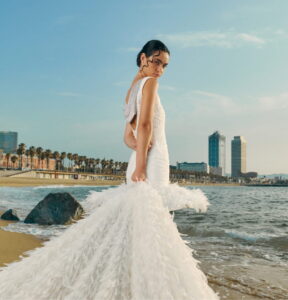
Barcelona is one of the world’s great bridal fashion capitals: a city with a long tradition in the sector, where a new generation of designers is beginning to take up the legacy of the great fashion houses and reinterpret it in their own way. Here, talent finds a unique ecosystem: design schools offering specialised training, a textile industry with a rich history and a runway with international reach. These three pillars link craft training with creativity and the opportunities of a global market.
In this context, Barcelona Bridal Fashion Week plays a key role as a meeting point between the industry and future designers. In recent years, its commitment to emerging talent has translated into collaborations and experiences that go beyond the classroom, from Stéphane Rolland’s mentorship to new initiatives that will continue to take shape at BBFW27.
Who are the young people imagining the future of bridal? What drives them, and what challenges do they face in turning their calling into a career? We spoke to the people behind the programmes at IED, ESDI and LCI Barcelona, and to textile firm Gratacós, to find out.
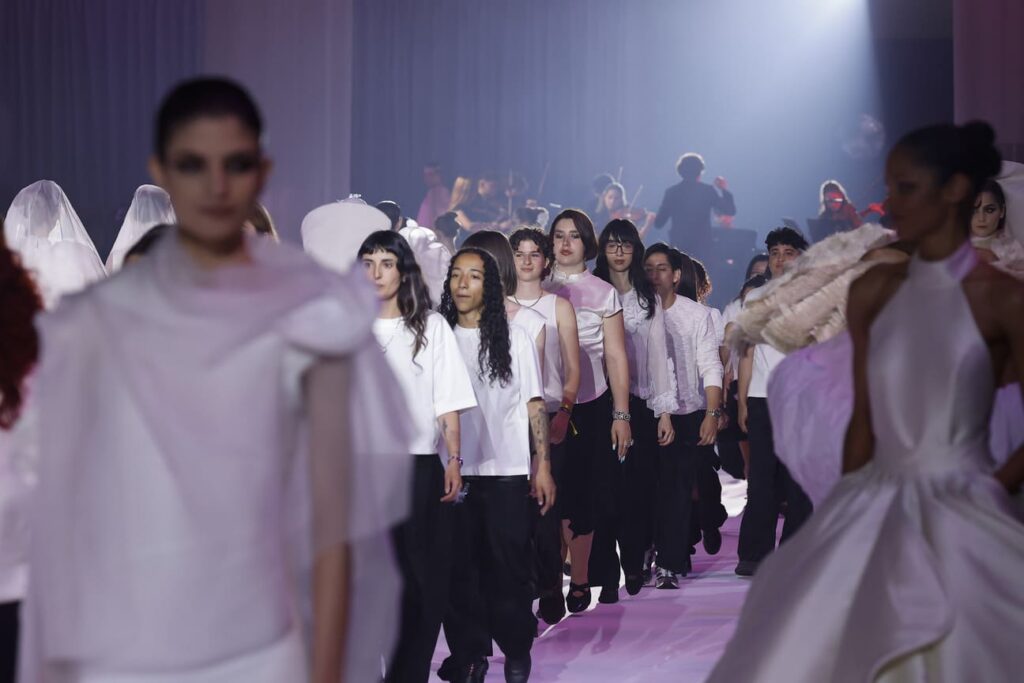
Make way for a new generation – no permission asked
Generation Z is already making its way into bridal ateliers.
And these young designers bring not only new ideas for dressing today’s brides, but also a different approach to design, creativity and their professional future. Does that mean breaking with everything that came before? Not necessarily. “They aren’t giving up the emotion, the luxury or the rigour of haute couture, but they approach them with a contemporary sensibility,” explains Miguel Fernández, director of the Postgraduate in Bridal Collection Design and Haute Couture Techniques at LCI Barcelona.
This outlook translates into a rethinking of the codes that have defined the wedding dress for decades. White, the veil, classic silhouettes and even the idea of a single ceremony are no longer set in stone. Francesc Grau, coordinator of the Postgraduate Programme in Wedding and Ceremony Dresses Design at IED Barcelona, notes that future designers are exploring new ways of celebrating, drawing on diverse cultural references and championing “individuality, freedom of expression and diversity of identities”. Reviving artisanal techniques, experimenting with materials and finding ways to extend a garment’s life beyond the wedding day are also on their minds.
New bridal designers don’t create in a vacuum, cut off from the world they have inherited. At ESDI, Jorge Zuazo and Jaume Vidiella point out that this generation is facing “a time of great global, professional and existential uncertainty”. Far from holding back their creativity, this reality “pushes them to question the ephemeral, turning that instability into a radical search for wearability and sustainability”. This goes beyond aesthetics: the wedding dress can also respond to new ways of consuming, celebrating and engaging with fashion.
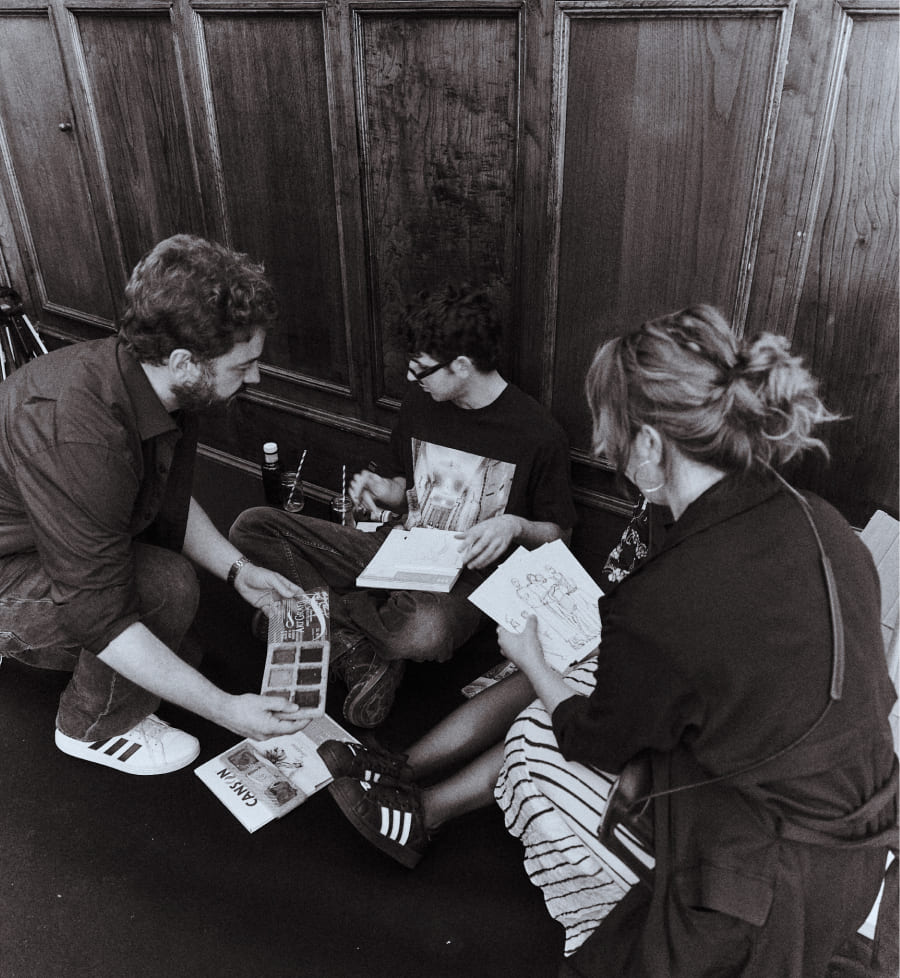
So what lies behind this new wave of bridal designers? Miguel Fernández of LCI Barcelona sees “a generation that is keen to find its own voice and to be part of fashion that is more conscious, diverse and in tune with its values”. They are excited to create, experiment and build meaningful projects. Not all of them dream of launching their own label. Some want to develop independent design projects; others aspire to join creative teams, specialise in textile research, styling or art direction, or even explore the world of fashion communication.
Their paths vary, but the schools agree on the qualities that set those with potential apart. “Curiosity, flexibility and a passion for the profession,” says Estel Vilaseca, head of fashion at LCI Barcelona. Beyond a good idea or a spectacular dress, talent also shows in the ability to listen, work as part of a team, make mistakes and try again.
Gen Z designers bring not only new ideas for dressing today’s brides, but also a different approach to design, creativity and their professional future.
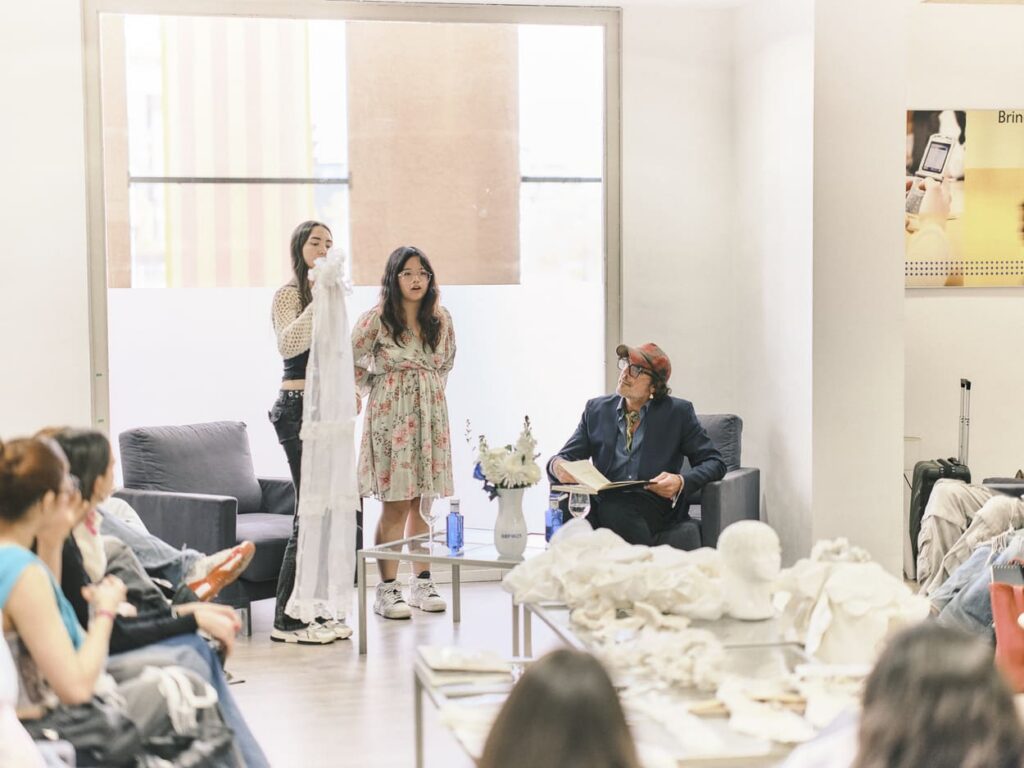
From the classroom to the runway: learning from the greats
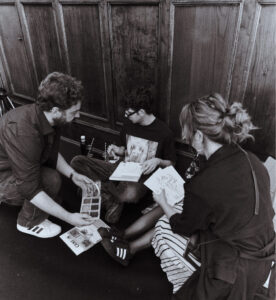
Some are already working; others are still in the middle of their training. All of them face the same challenge: making the leap from the classroom to the reality of the industry. Today, having a good idea is not enough: you need to know how to turn it into a garment, work with real materials, meet deadlines and rise to the demands of a professional project. That is why learning opportunities outside their schools are especially valuable for those taking their first steps in fashion.
Barcelona Bridal Fashion Week has been working towards this for years. What began with information stands and exhibitions of student work in the Trade Village has evolved into closer collaboration with design schools. In 2024, for example, students took part in a creative project linked to the event’s campaign and, a year later, designed accessories for the Vivienne Westwood show. The next step was bringing their own designs to the runway.
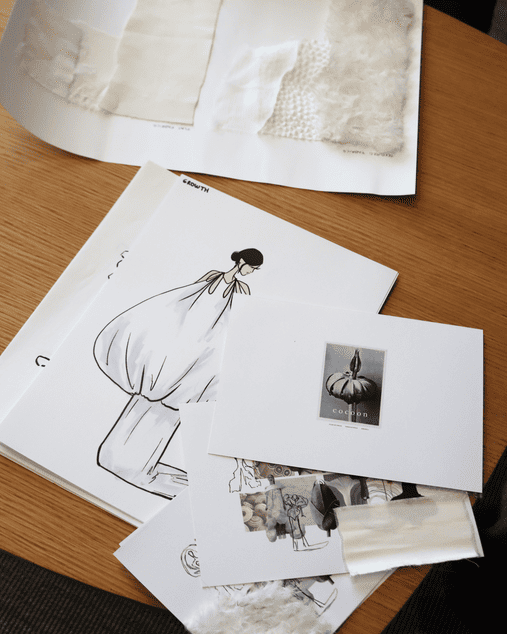
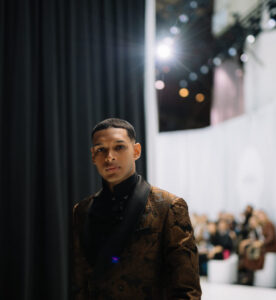
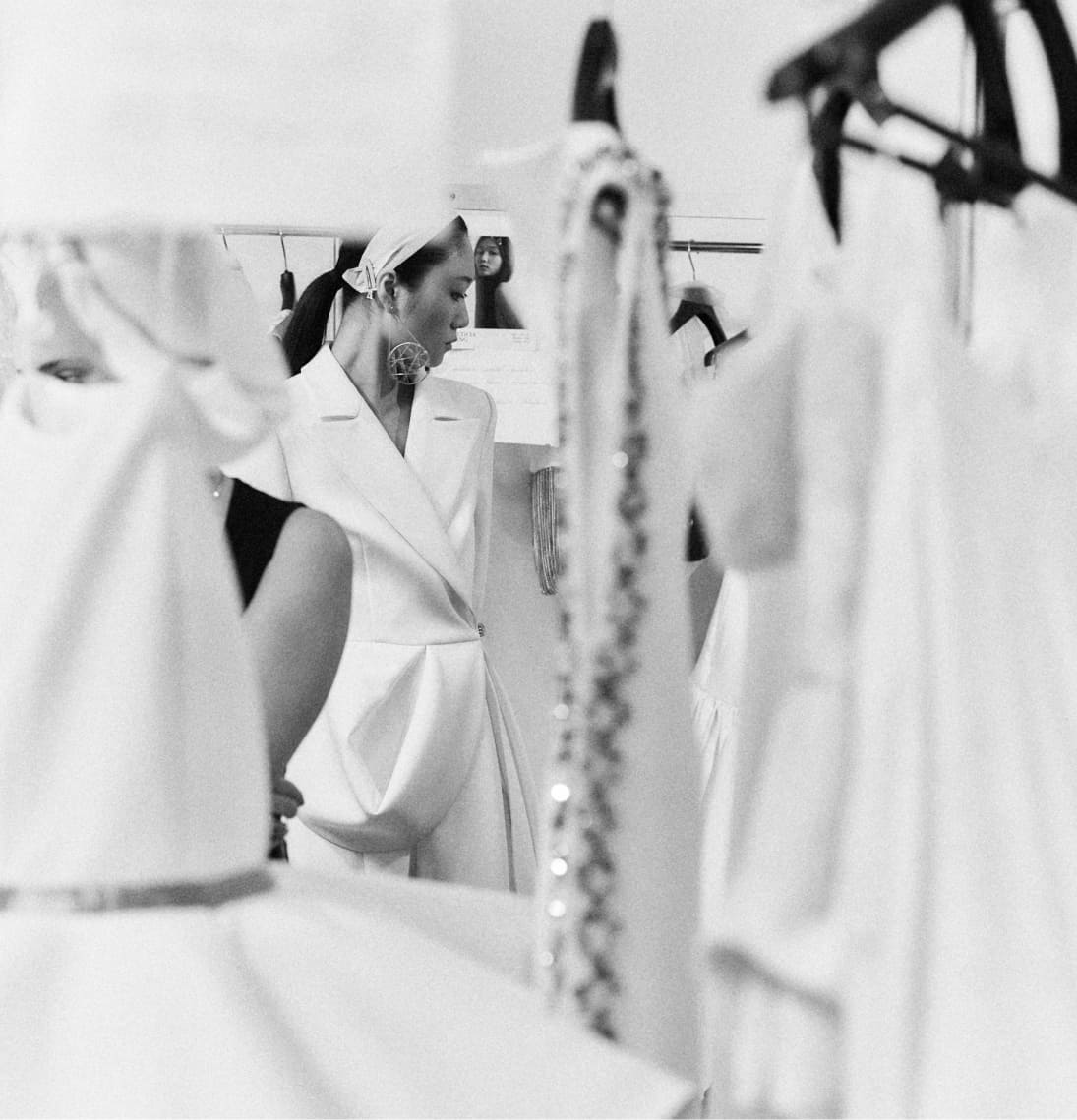
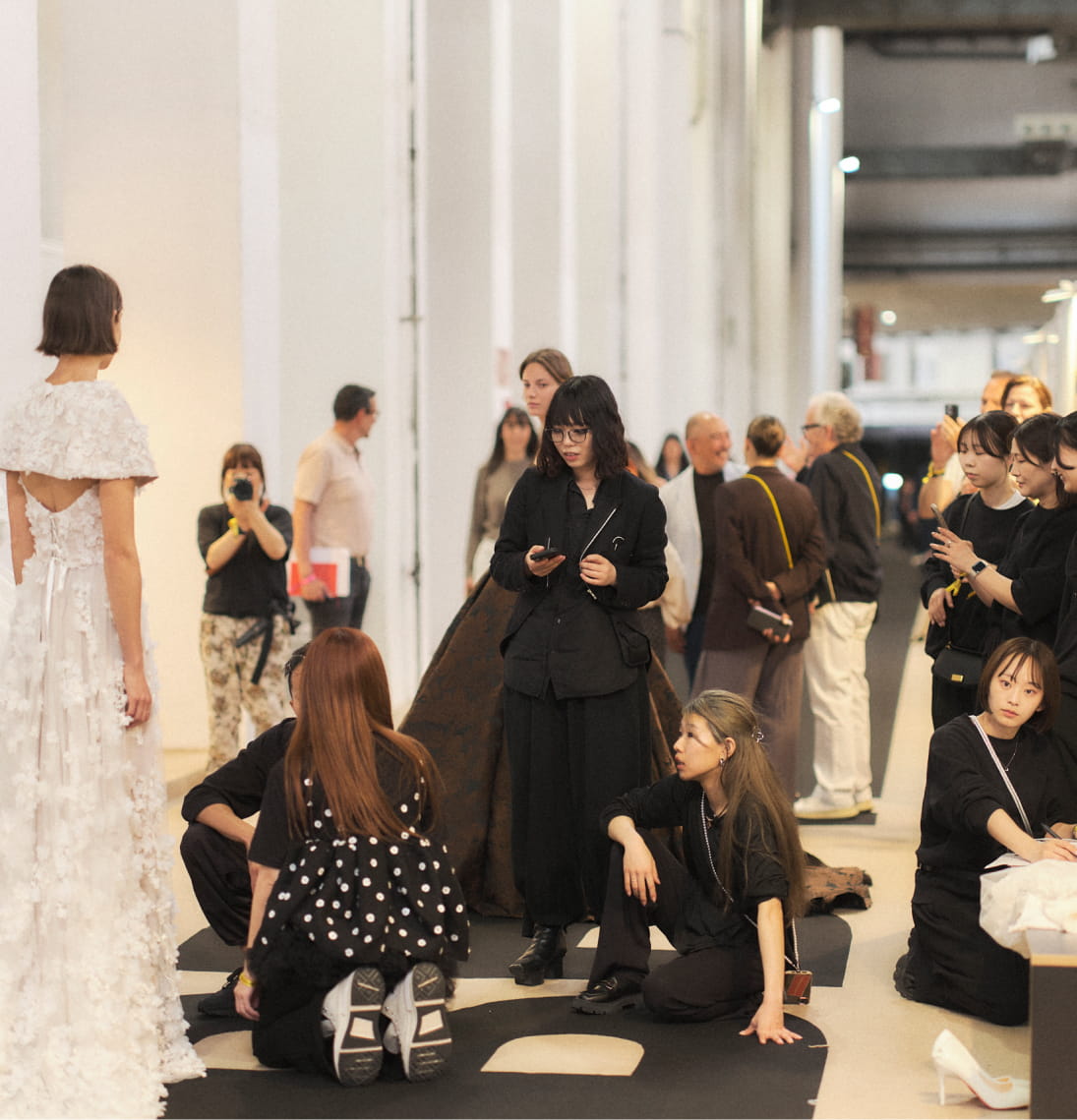
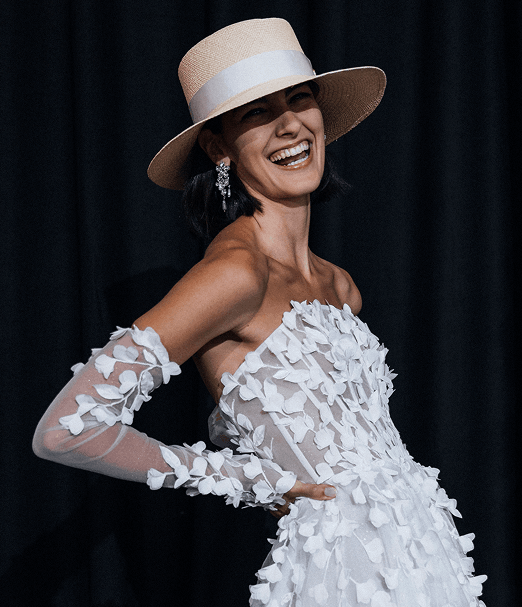
At BBFW26, 25 students from IED, ESDI and LCI Barcelona presented 23 creations as part of Sculpted by Nature, a project that culminated in Stéphane Rolland’s Bridal Night. The real value of the experience lay in the process: the French designer mentored the young creators, reviewed their proposals and shared his knowledge of haute couture with them.
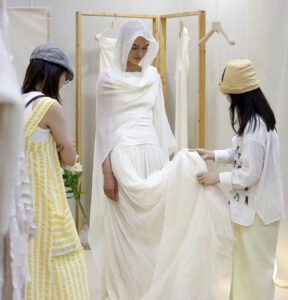
Some of the most memorable lessons came during the fittings. Miguel Fernández of LCI Barcelona recalls Rolland explaining to a student that the sheer elements of her dress had to be subtle and elegant, never literal. It was a small remark, but it was a lesson in precision and sensitivity. “Being able to see how a garment is observed, corrected and constructed through the experience of one of the great names in haute couture is an exceptional gift,” says Fernández. At ESDI, Jorge Zuazo and Jaume Vidiella remember another scene: Rolland performing a moulage exercise directly on a dress, transforming its volume in front of the students. “It was a genuine impromptu masterclass in which theory became reality.”
This kind of learning is not limited to the big names on the runway. It also requires the expertise of those who work with materials every day. Barcelona-based textile firm Gratacós has long been closely involved in training new talent, working with design schools and specialised bridal programmes by providing fabrics and technical advice. For Aida Molano, the company’s spokesperson, supporting students means helping them understand how an idea is transformed when it comes into contact with fabric. “Sometimes all it takes is trying two fabrics on the mannequin to understand why the same pattern produces such different results,” she explains.
The big challenge for many: turning talent into a career
The first opportunity might come in the form of a fashion show, an exhibition or a collaboration with a brand. Every experience counts, but what happens next? Having a vocation is one thing; making a living from it is another. For many young designers, carving out a place in the industry remains one of the biggest challenges. Francesc Grau of IED Barcelona warns of how hard it is to break into a competitive sector and turn creative passions into a livelihood. At ESDI, Jorge Zuazo and Jaume Vidiella agree that their students’ biggest concern is finding somewhere to develop their potential, ideally on projects that share their values and creative vision.
Training is essential, but so are opportunities to showcase their work, meet professionals and start building a network. With this in mind, Barcelona Bridal Fashion Week will continue to strengthen its ties with schools in 2027. And we can already reveal one of the new additions to the next edition: students from IED, ESDI and LCI Barcelona, with the support of Gratacós, will take on the challenge of creating three transformable dresses that will evolve over the days of the Trade Show. It’s a concept that ties in with versatility and new ways of thinking about the wedding dress. In addition, a Bridal Fashion Awards category will recognise a project presented at Stéphane Rolland’s Bridal Night, to be chosen by public vote on BBFW’s social media channels.
The big names of tomorrow are already taking their first steps. They are in the classroom, interpreting the changes in the industry, shaping their projects and looking for opportunities to show what they can do. Supporting them on this journey is also a way of contributing to the future of an industry that needs to keep renewing itself. And Barcelona has all the ingredients to remain a hotbed of talent.
Having a vocation is one thing; making a living from it is another.
Barcelona has all the ingredients to remain a hotbed of talent.