
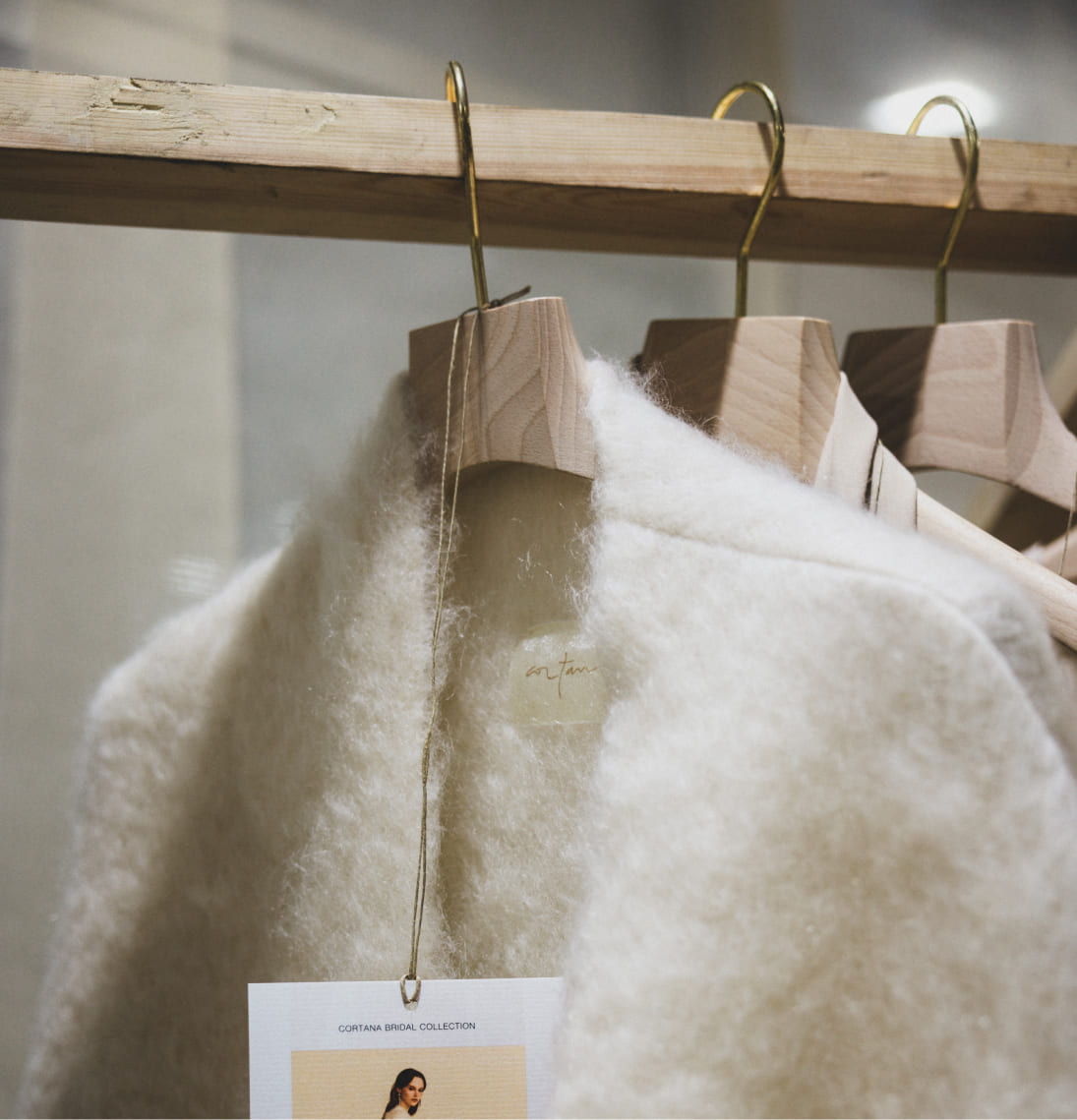

The Trade Show: The Industry’s Core
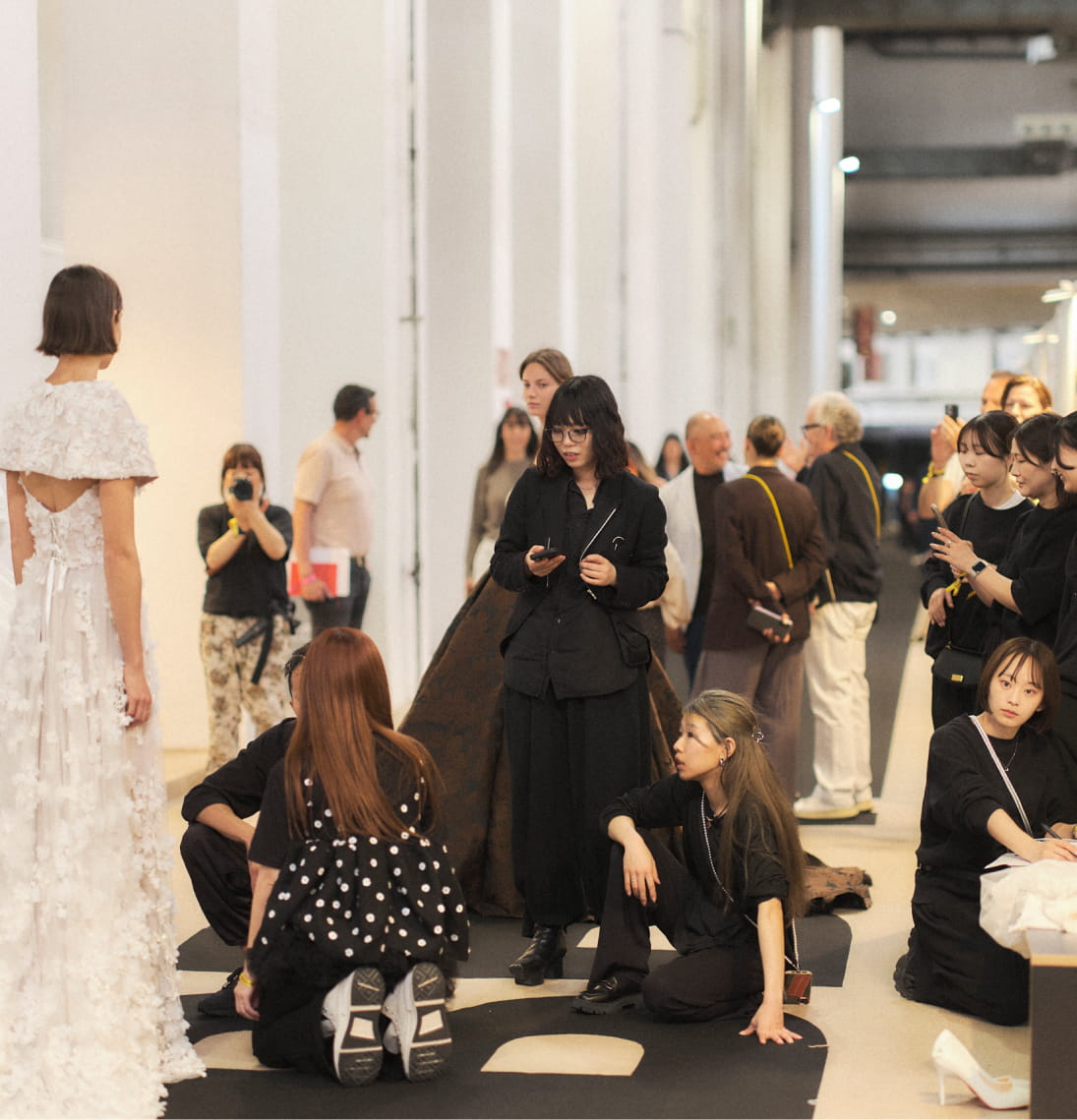
After the emotion of the runway comes the moment that matters. At Barcelona Bridal Fashion Week, the opening of the Trade Show marks the shift from inspiration to business—from catwalk creativity to orders, from aspirational imagery to strategy. It’s where the commercial engine that sustains the entire event comes to life.
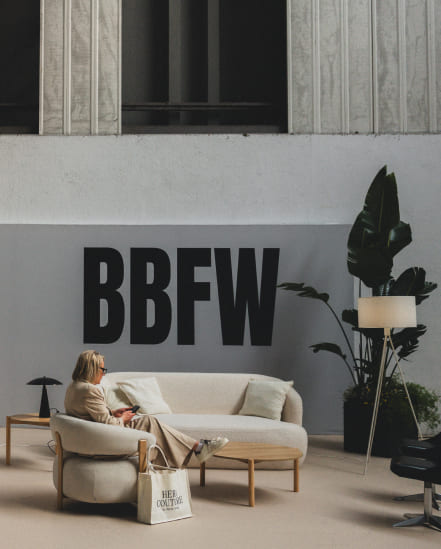
Running through April 26, the space—spread across two halls at Fira de Barcelona—brings together nearly 400 brands in a strongly international edition, even amid a complex geopolitical backdrop. Eighty-seven percent of participating labels come from abroad, representing 36 countries—figures that reinforce Barcelona’s position as one of the key global hubs for bridal fashion. As BBFW director Albasarí Caro puts it: “The trade show is the business that sustains the bridal narrative.”
What to watch this edition
1. Where the season is decided
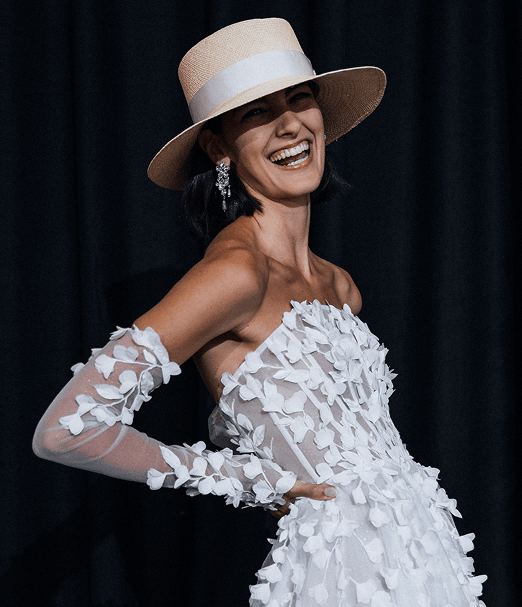
In bridal, the runway is no longer just about spectacle. It’s a strategic tool with three clear objectives: driving sales, generating visual content for social media and lookbooks, and reinforcing brand positioning.
Albasarí Caro: “The trade show is the business that sustains the bridal narrative.”
Many buyers watch shows with a highly focused lens—spotting silhouettes, noting references and shortlisting designs they’ll later review on the stands. “Buyers watch the shows, select, and then go on to purchase,” says Albasarí Caro.
The runway builds desire, visibility and content. The Trade Show converts that momentum into business. And showing still carries symbolic weight: “Being on the runway proves you’re still here, still strong,” Caro adds.
Behind every show, there’s a far more strategic layer than meets the eye.
Albasarí Caro: “The runway creates desire. The Trade Show determines what comes next.”
2. A more open global landscape
The event also reflects a shifting international balance in bridal. Europe retains its legacy and prestige, but it no longer dominates the creative and commercial conversation alone. “Europe is no longer as idealised, although it still inspires,” says Caro.
Her most telling insight speaks to the current moment: “Every culture is proudly championing its own local talent.”
The result is a more diverse industry—where traditions, sensibilities and new interpretations of bridal luxury coexist. “The wedding dress is deeply cultural,” she adds.
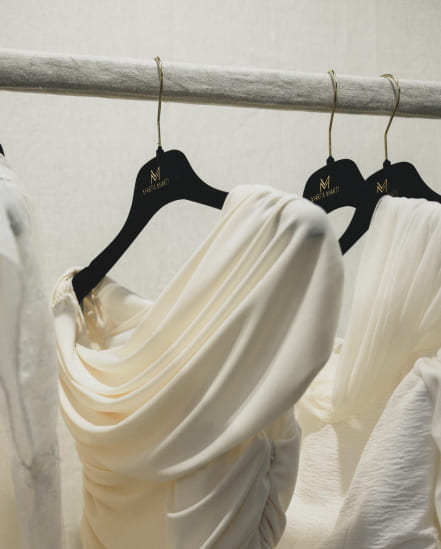
This edition makes that shift clear. On the runway, international names such as Justin Alexander and Lazaro & Maison Perez appear alongside Spanish talent including Isabel Sanchis, Immaclé and Marco & María. Across the trade floor, diversity continues with brands such as Rainbow Club, Simply Divine, Bianco Evento, Tanya Grig, Marta Martí, Manu Garcia, Dando London and Unbridled Studio.
Asia is further cementing its strategic role, with names like The Atelier by Prof. Jimmy Choo, Kiyoko Hata and Vaishali S Couture, while the US and Latin American markets continue to gain momentum in the evolving global bridal landscape.
Two speeds, one ecosystem
One of BBFW’s strengths is its ability to represent the full spectrum of the market. Across its two halls, brands focused on volume, distribution and accessibility (Hall 1) sit alongside those driven by authorship, craftsmanship, exclusivity and creative identity (Hall 2).
Eveningwear, groom, accessories and niche bridal categories are all part of the mix. Two parallel worlds that ultimately respond to the same market reality. As Caro puts it: “A bride wearing a €1,000 dress feels just as excited as one in a €10,000 gown.”
That coexistence across price points, aesthetics and audiences makes BBFW a true snapshot of today’s demand.
Less volume, sharper curation
Today’s buyer is far more strategic. Beyond core collections, they’re looking for complementary categories—cocktail, accessories or standout pieces that help differentiate their retail offer. “It’s about not having too much of the same, but also not being overly niche,” Caro explains.
The balance between established brands, newness and exclusive propositions now matters more than sheer volume.
Barcelona is where those selections are refined, budgets are set and decisions are made about what will actually reach stores in the coming months.
Barcelona: A global hub for bridal business
The Trade Show’s strength today goes beyond transactions. It’s also about shared insight—into trends, consumer behavior and the direction of global markets. “Every buyer comes here to decide where to invest their budget,” says Caro.
And crucially: “They don’t just come to buy—they come to discover and be inspired.”
That’s the real value of Barcelona Bridal Fashion Week: bringing product, perspective and business together in one place. The runway creates desire. The Trade Show determines what comes next.
Albasarí Caro: “A bride wearing a €1,000 dress feels just as excited as one in a €10,000 gown.”